Autonomous Forklift
Main Challenge
Traditional autonomous forklifts depend on standardized racks and perform poorly in non-standard scenarios. Rigid path planning cannot adapt to real-time changes, and cargo recognition accuracy is low for irregular goods. Manual programming raises costs and barriers.
Our Solution
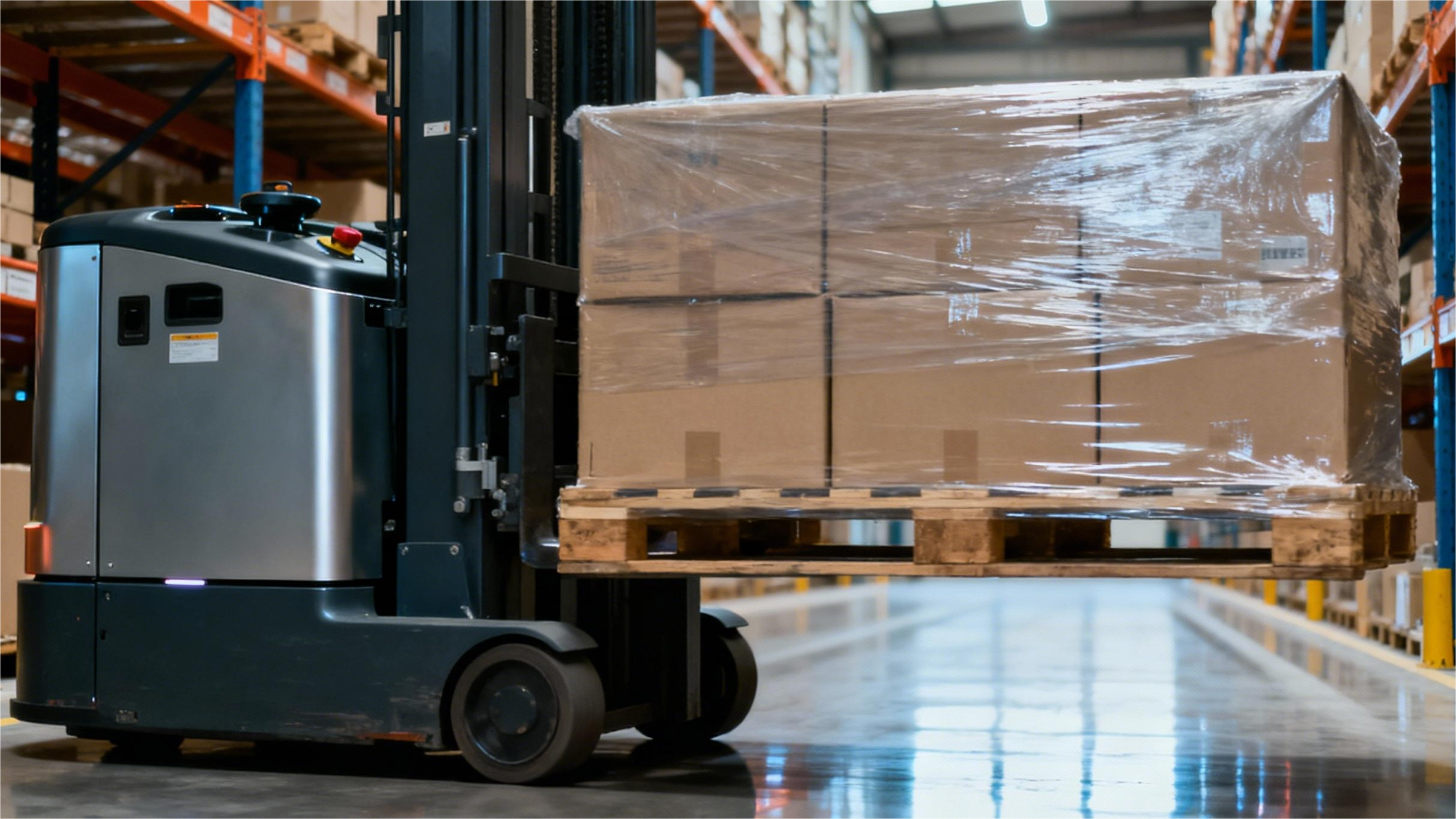
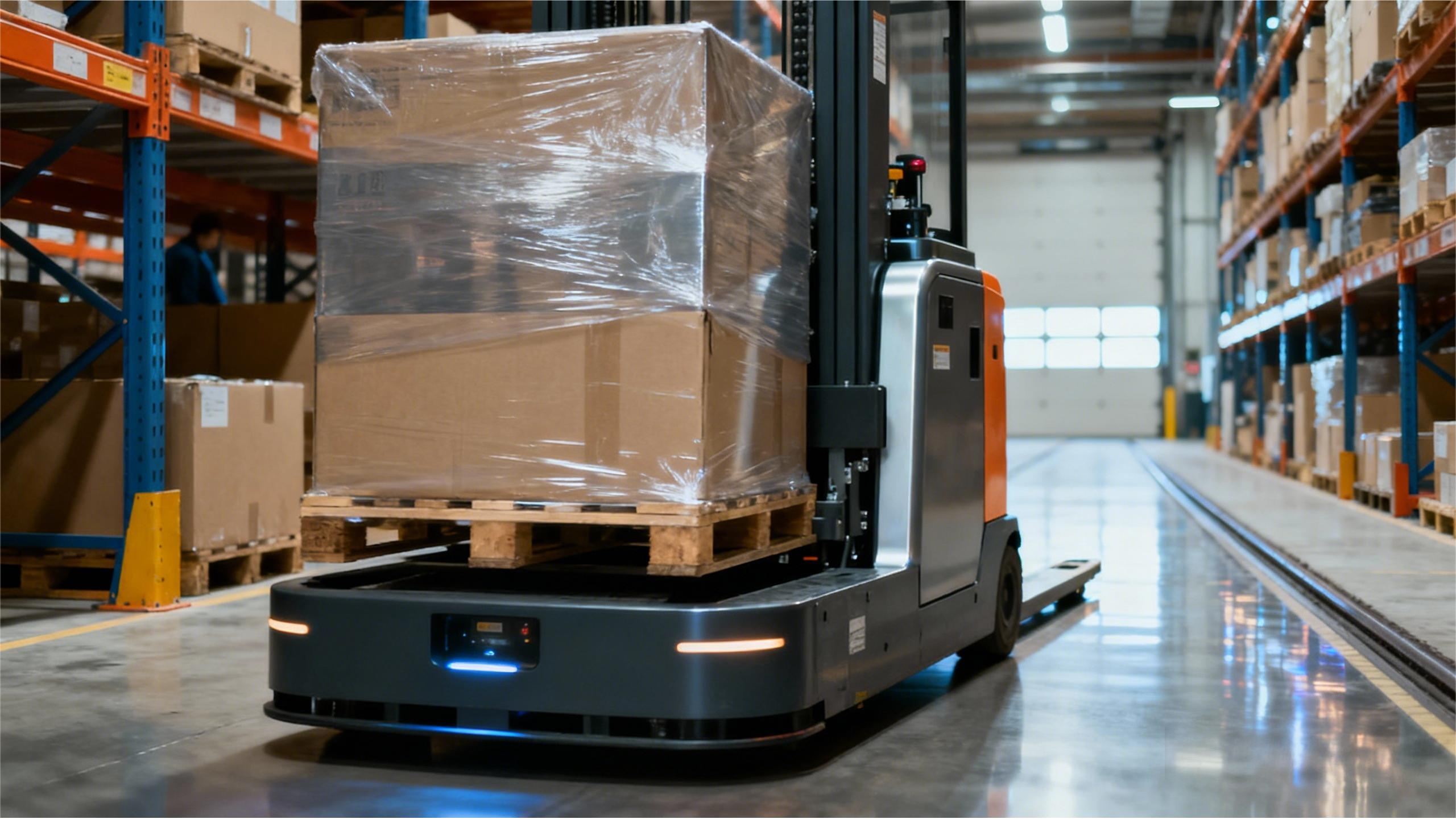
MScape applies embodied AI to autono�mous forklifts. The N203/T200 platform connects eight sensors (3D LiDAR + HD cameras) for high-precision perception. Environment modeling and real-time algorithms recognize non-standard racks and goods. Intelligent path planning and dynamic obstacle avoidance ensure continuous operation. Deep learning enables accurate picking of irregular goods with stable robotic arm control. The iFlytek voice/command interface reduces skillrequirements,improving ease of use and deployment.