
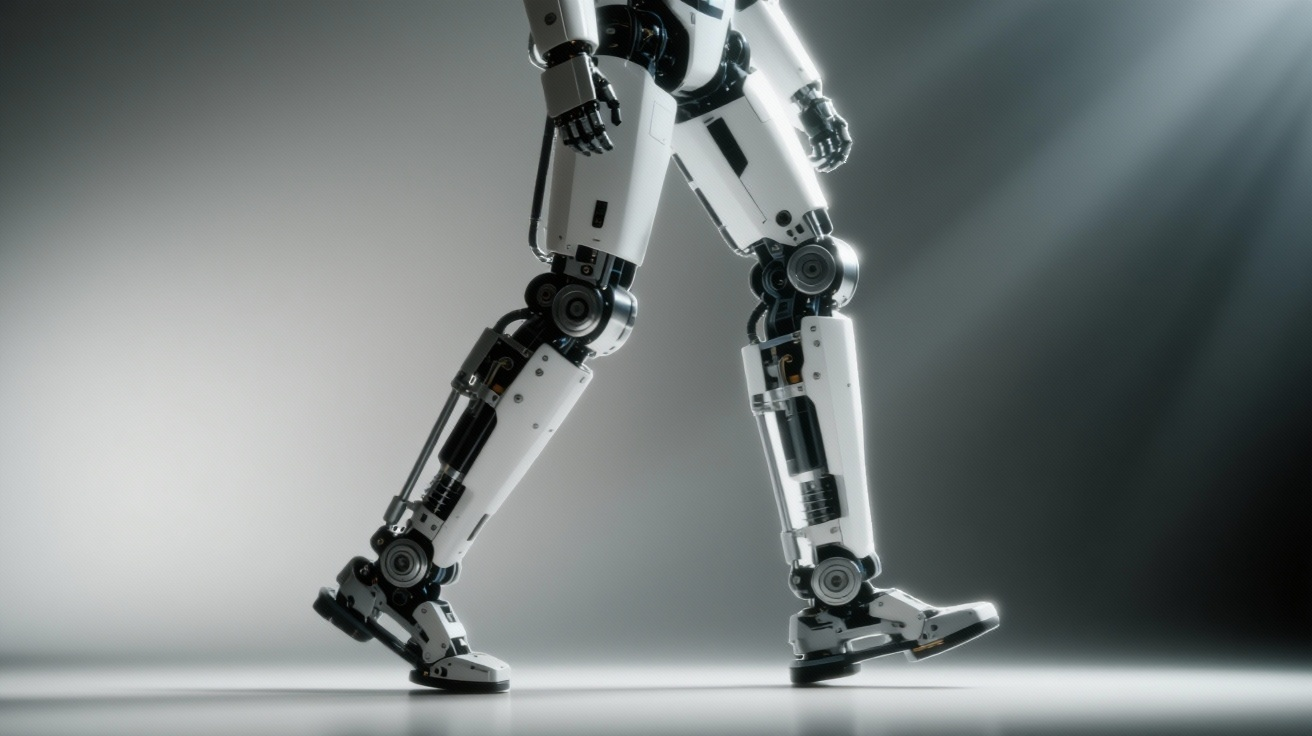
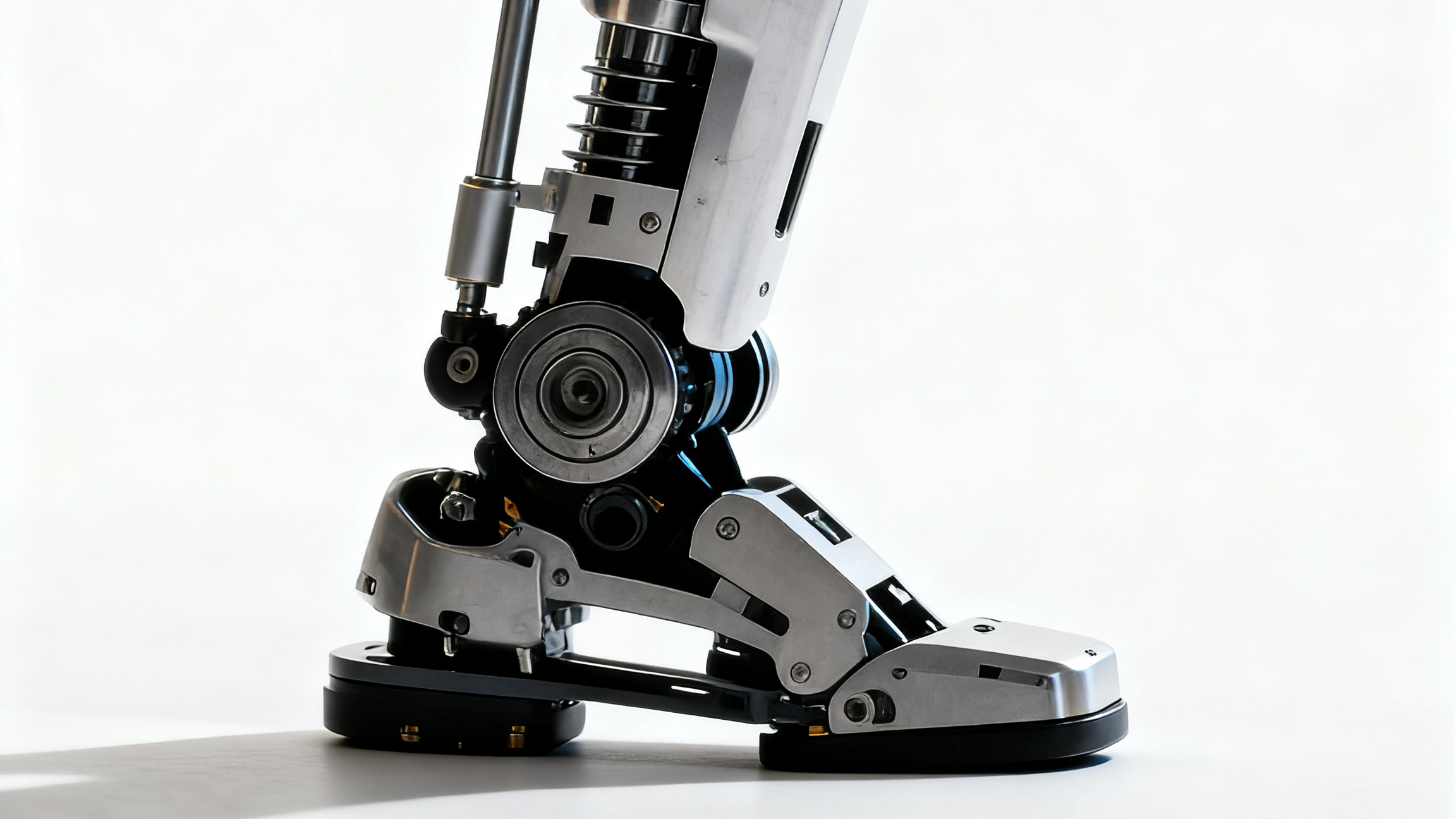
Bipedal robots require a high-computing platform and a high-performance motion control "cerebellum." However, constraints like battery life and physical space prohibit the use of large, high-power units. Developing a compact, high-computing "brain" and a highly responsive "cerebellum" is therefore a critical industry bottleneck.
A humanoid robot utilizes MScape's N203 "AI Brain" and T40 "Motor Brain." This overcomes the traditional limitation of "agile limbs but a simple mind," resulting in a "smarter, more intelligent" robot capable of high-precision, human-like emotional interaction. The N203 offers extensive sensor connectivity, resolving the size-to-power conflict with its compact form and efficient cooling. The T40 leverages an ARM CPU to run reinforcement learning inference directly, significantly enhancing the "cerebellum's" performance and cost-effectiveness.