
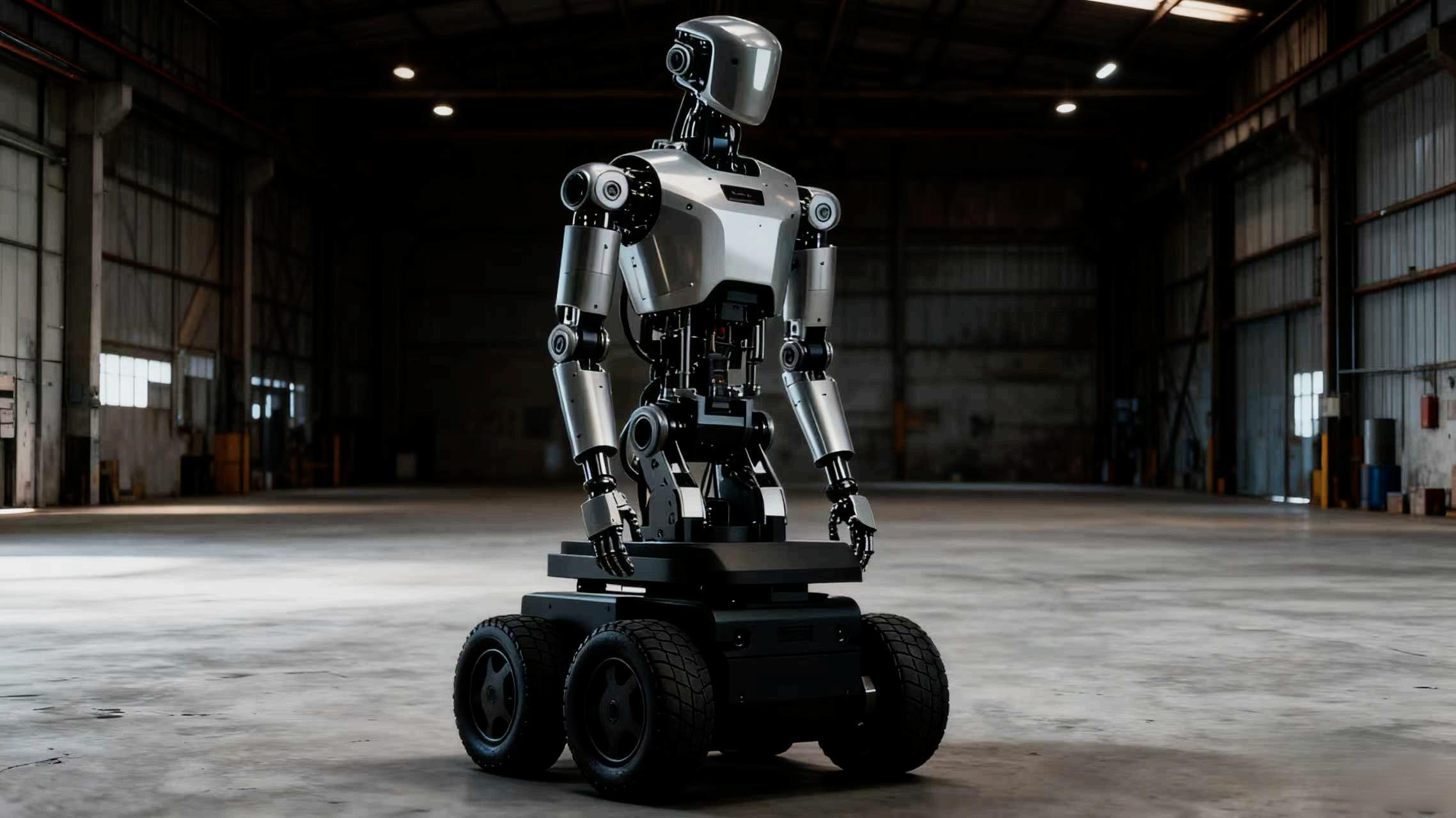
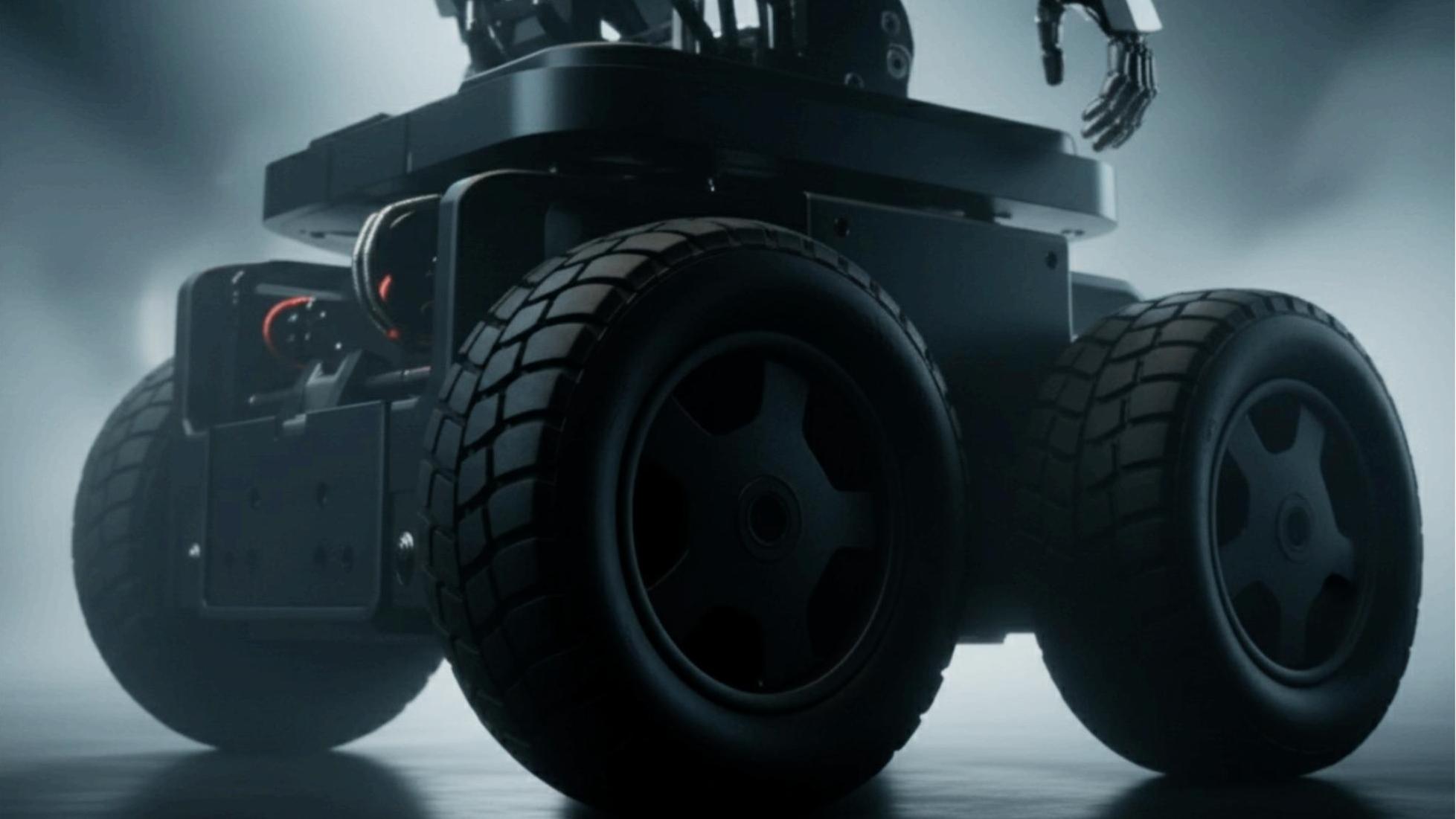
Wheeled humanoid robot

Wheeled Humanoid Robot (Humanoid Upper Body + Wheeled Chassis)


Cerebellum (Responsible for Stability and Mobility Control):

Primarily manages the agile movement, braking, and obstacle avoidance of the wheeled chassis, while also controlling the balance of the upper body's center of gravity. Current industry standard cerebellum solutions for wheeled platforms: Centered around an embedded multi-core ARM CPU. Some ARM cores are used to run tasks like EtherCAT/CAN FD to drive and control motors for movement; the remaining ARM cores are used to run navigation algorithms, enabling the robot's mobile navigation functionality.


Cerebrum (Responsible for Interaction and Task Scheduling):

The core tasks of a wheeled robot lie in achieving practical, actionable movements for work and service, while also requiring strong human-machine interaction capabilities (such as voice dialogue, facial expression recognition), scene understanding capabilities, and service task execution abilities. Its "Cerebrum" needs to perform whole-body task planning, coordinate the actions of the mobile chassis and manipulator arms, and enable end-to-end large model perception, decision-making, and execution for specific tasks. Current industry typical cerebrum solutions: Implement voice interaction and the operation of LLM/VLM/VLA large models using methods like Jetson AGX ORIN / X86+RTX4090 GPU card / wireless connection to a GPU server.


Our Company's Solution:

Utilizes an N40 embedded multi-core ARM as the cerebellum solution, supporting a real-time operating system / CAN FD / EtherCAT / 485.